

Learn about sea moss, its naturally occurring nutrients, common questions, and simple ways to use it everyday.

Explore sprouting, milling, plant protein, healthy fats, bioavailability and practical ways to use sprouted hemp in everyday foods.

Discover botanical ingredients, handcrafted self care and the thoughtful formulation choices behind RA Naturals products.
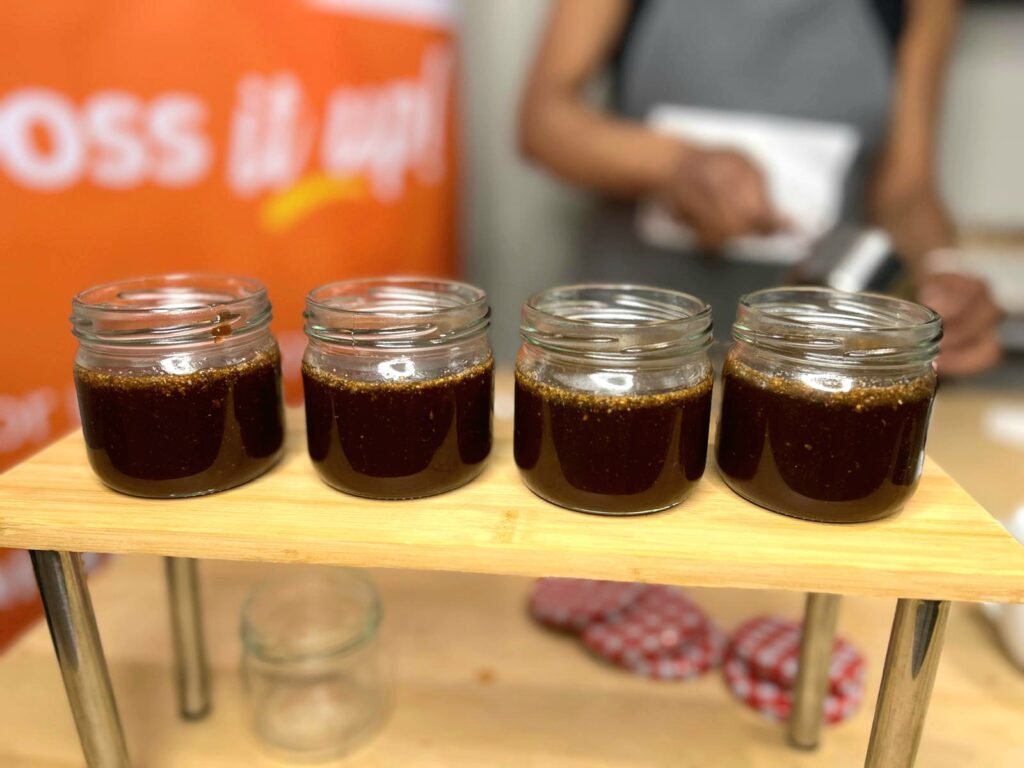
Explore smoothies, drinks, meals, recipes and simple ideas for bringing wellness ingredients into everyday life.
Sea moss has become one of the most talked-about wellness ingredients — but with popularity comes a lot of confusing information.
Here, we break it down in a simple and practical way. Learn what sea moss actually is, how it grows, why it turns into a gel, what it naturally contains, how to prepare it and what to consider when adding it to your wellness routine.
Our goal isn’t to tell you that one ingredient can do everything. It’s to help you understand what you’re using so you can make informed choices for your own wellness journey.
Explore some of the most common questions about sea moss:
Sea moss is a type of red seaweed that grows naturally in coastal waters. It contains naturally occurring fibre, minerals and other plant compounds. Different species and growing conditions can affect its composition, which is why sea moss products can vary.
Sea moss naturally contains polysaccharides, including carrageenan-like compounds, that bind with water. When the seaweed is soaked and blended, these compounds help create the thick, gel-like texture people recognize as sea moss gel.
Sea moss can naturally contain minerals such as iodine, potassium, magnesium and calcium, along with fibre and other plant compounds. The exact amounts are not always the same because they can vary depending on the species, where it was grown and how it was harvested and prepared.
Yes. Seaweed naturally contains iodine, but the amount can vary considerably. Because iodine affects thyroid function, people with thyroid conditions or concerns about iodine intake should speak with a qualified healthcare professional before regularly using sea moss.
Sea moss is usually cleaned, soaked and blended with water to make a gel. Once prepared, it should be stored in a clean, covered container in the refrigerator. Because homemade or freshly prepared sea moss gel is perishable, it should be checked regularly for changes in smell, appearance or texture.
Wildcrafted sea moss grows naturally in the ocean and is harvested from its natural environment. Cultivated sea moss is grown under more controlled conditions. Both can vary in quality, so factors such as the species, water conditions, harvesting practices, cleaning and preparation are more useful to consider than relying on the word “wildcrafted” alone.
Prefer to learn by watching? Explore the RA Naturals Sea Moss Series, where we break down sea moss one topic at a time in simple, practical episodes. New episodes will be added as the series grows.
A simple introduction to why sea moss has become so popular and what’s behind the growing interest.
Learn what sea moss actually is, where it grows and why it belongs to the seaweed family.
Learning about an ingredient is the first step. If sea moss feels like a good fit for your wellness routine, explore our freshly prepared sea moss gels and discover the different blends available from RA Naturals.
Hemp is often misunderstood, but it has a long history as a nutritious plant food. At RA Naturals, we use sprouted, milled hemp seed because preparation matters.
This section explores what hemp seed is, what sprouting means, why milling matters, how hemp provides plant protein and healthy fats, and practical ways to use it in everyday foods.
The goal is simple: help you understand the ingredient, how it is prepared, and how it can fit into your own wellness journey.
Explore some of the most common questions about sprouted hemp:
Sprouted hemp seed begins as hemp seed that has been exposed to moisture under controlled conditions so the early stages of germination can begin. After sprouting, the seeds can be dried and milled into a powder that is easy to add to everyday foods.
Sprouting begins the natural germination process of the seed. During this stage, changes can occur in the seed’s structure and naturally occurring compounds. Sprouting can also make some plant foods easier to process and use in different recipes.
Milled simply means the hemp seeds have been ground into a finer powder. This makes the ingredient easier to blend into smoothies, oatmeal, baking, soups and other foods compared with using whole seeds.
Hemp contains all nine essential amino acids, which is why it is commonly described as a complete plant protein. Like other plant proteins, the amount and balance of amino acids can vary, so it is still helpful to eat a variety of protein-rich foods as part of a balanced diet.
Omega-3 and omega-6 fatty acids are essential fats that the body cannot make on its own, so they must come from food. Hemp naturally contains both types of fats, which is one reason it is valued as a nutrient-dense plant food.
Sprouting can change the structure of some naturally occurring compounds in seeds and may reduce certain antinutrients that can interfere with mineral absorption. The effect can vary depending on the seed, sprouting conditions and processing method, so think of sprouting as a preparation method, than may increase higher nutrient absorption.
Sprouted hemp seed powder can be added to smoothies, oatmeal, plant-based yogurt, soups, baking, homemade energy bites and other everyday foods. Start with a small amount and adjust based on taste, texture and how you prefer to use it.
Prefer to learn by watching? Explore the RA Naturals Sprouted Hemp Series, where we break down hemp, sprouting, plant protein, healthy fats and everyday uses one topic at a time. New episodes will be added as the series grows.
Learn the important difference between hemp used as a food ingredient and marijuana, and why the two are often confused.
Learn the difference between whole hemp seeds, hulled hemp seeds and milled hemp seed powder, including how each form is prepared, how the texture changes and how they can be used in everyday foods.
Now that you know a little more about hemp, explore our sprouted, milled hemp seed powder and discover simple ways to incorporate this versatile plant food into everyday meals and recipes.
Botanical self care is about more than adding plant ingredients to a product. Oils, butters, botanical extracts and preparation methods can all affect how a product feels, how it is used and where it fits into a self-care routine.
Here, we explore the ingredients and processes behind handcrafted self care — from cold-processed soap and rich body butters to botanical oils and thoughtfully formulated products.
The goal is to help you better understand what you’re putting on your skin, why different ingredients are chosen and how to make more informed choices for your own self-care routine.
Explore some of the most common questions about botanical self care:
Botanical self care refers to products and routines that use plant-derived ingredients such as oils, butters, herbs and botanical extracts. The goal is not to assume that “natural” automatically means better, but to understand what each ingredient does and how it fits into your personal care routine.
Body butter is usually richer and more concentrated in oils and butters, while lotion typically contains a larger water phase and has a lighter texture. Body butters are often used when skin feels dry or when you want a more nourishing, protective feel.
Plant oils and butters can help soften the skin, improve slip and reduce moisture loss by forming a protective layer on the skin’s surface. Different oils and butters have different textures, fatty-acid profiles and sensory qualities, which is why formulators choose them carefully.
Cold-process soap is made by combining oils or fats with an alkali solution, which starts a reaction called saponification. The mixture is then poured into moulds and allowed to harden and cure over time rather than being cooked at high temperatures.
During curing, excess water gradually evaporates and the soap becomes harder and longer lasting. A proper cure can also improve how the bar performs during use, which is why handmade soap is usually left to rest for several weeks before being sold.
Start by looking at the first few ingredients, since they usually make up the largest portion of the formula. Then look at the supporting oils, butters, botanicals, fragrance or essential oils, and preservatives where applicable. Ingredient lists can help you understand what a product contains, but they do not always tell you the full story about how or why a formula was created.
SproutLipid™ is RA Naturals’ proprietary hemp infusion made using sprouted, milled hemp seed infused into a carrier oil. We use it as a signature botanical ingredient in selected RA Naturals formulations to bring our sprouted hemp story into both wellness and self-care products.
Think about your skin type, the texture you prefer and when you plan to use the product. A richer body butter may suit times when your skin feels especially dry, while a lighter product may feel better during warmer weather or daytime use. Pay attention to how your own skin responds and choose products that feel comfortable and practical for you.
Prefer to learn by watching? Explore the RA Naturals Botanical Self Care series, where we break down ingredients, formulation choices and handcrafted processes one topic at a time. New videos will be added as the series grows.
Ever wonder how a bar of handcrafted soap comes to life? Take a behind-the-scenes look at the cold-process method—from carefully measuring and blending ingredients to pouring, cutting and curing each bar. It’s where ingredients, science and craftsmanship come together.
Take a look behind the scenes at how we transform thoughtfully selected oils, butters, herbs and botanicals into handcrafted soaps, body butters and balms. At RA Naturals, we believe understanding what goes into the products you use is an important part of your wellness journey.
Take what you’ve learned and explore RA Naturals handcrafted soaps and botanical self-care products created with thoughtfully selected plant-based ingredients.